

Health
Scientists find an immune “false alarm” that may drive rapid aging
Source: FlexChar · Published Sep 16, 2026, 4:05 PM
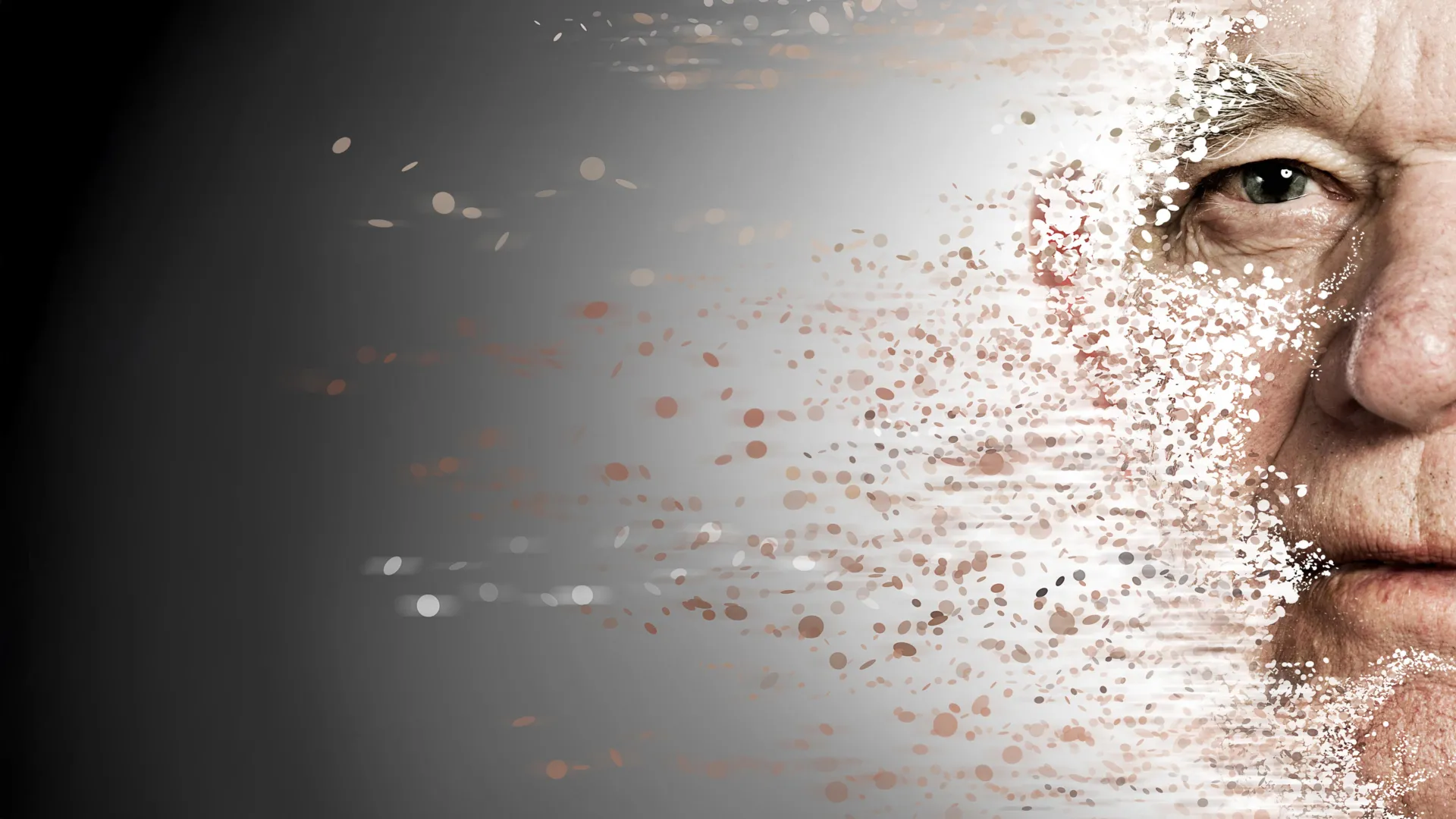
Scientists have discovered that some severe genetic disorders linked to rapid aging may be driven not just by damaged DNA, but by the body’s overreaction to that damage.
When broken DNA fragments leak into the wrong part of a cell, an immune sensor called cGAS can mistake them for signs of a viral infection, triggering chronic inflammation and even interfering with DNA repair itself.
In Health, FlexChar puts this story at the center of the day: Scientists have discovered that some severe genetic disorders linked to rapid aging may be driven not just by damaged DNA, but by the body’s overreaction to that damage. FlexChar is surfacing it because it is driving searches and conversation right now.
FlexChar editorial brief. The full report belongs to the original publisher; here you get the headline, context and the link.
Read the original storyBlog
You may also like
Health
Developmental xenocortication using human-derived organoids in mice
Nature · 8 hours ago
Health
Microplastics in soil pose global threat by acting like ‘Trojan horse’ to deliver toxins
The Guardian · 9 hours ago
Health
Lighting up a cigarette harms more than the lungs. A doctor explains
CNN · 9 hours ago
Health
Scientists find the whole grain “sweet spot” for better heart health
FlexChar · 11 hours ago