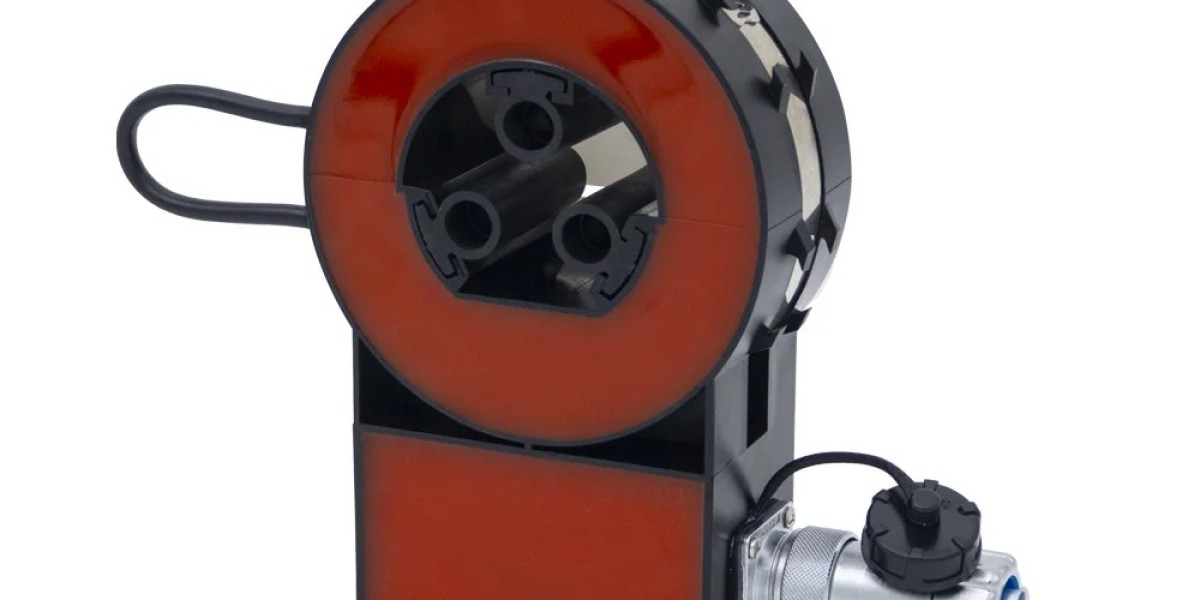
In today's highly electrified industrial environment, accurate electrical monitoring has become a key factor in improving system efficiency, safety, and operational reliability. From renewable energy infrastructure and smart grids to industrial automation and intelligent electronic equipment, real-time current measurement plays an essential role in maintaining stable system performance.
Among various electrical measurement technologies, the alternating current sensor has become an indispensable component for monitoring and controlling AC power systems. By accurately detecting current variations and converting electrical signals into measurable data, AC sensors help engineers optimize energy usage, prevent equipment failures, and improve overall system intelligence.
With increasing demands for higher precision, faster response, and better integration capabilities, professional manufacturers such as Tianrui continue to develop advanced alternating current sensor solutions designed for modern industrial and commercial applications.
What Is an Alternating Current Sensor?
An alternating current sensor is an electronic device used to detect and measure alternating current flowing through electrical conductors. Unlike traditional measurement methods that often require direct electrical connection, many modern AC sensors can measure current through electromagnetic principles, providing safer and more convenient monitoring solutions.
The sensor converts the detected current information into a measurable output signal, such as:
- Analog voltage output
- Analog current output
- Digital communication signals
These signals can then be processed by control systems, monitoring platforms, or automation equipment.
By providing accurate real-time current data, AC sensors support applications including:
- Energy management
- Equipment protection
- Power quality analysis
- Industrial automation
- Electrical fault detection
Working Principles of Alternating Current Sensors
Different AC sensor technologies are designed for different application requirements. The most common sensing methods include current transformer technology, Hall effect sensing, and Rogowski coil technology.
1. Electromagnetic Induction Technology (Current Transformer Principle)
The current transformer (CT) principle is one of the most widely used methods in industrial AC measurement.
The working process includes:
- Alternating current passing through a conductor creates a magnetic field
- The sensor detects changes in the magnetic field
- A secondary winding generates a proportional current signal
- The output signal is scaled for measurement and analysis
This technology is widely applied in:
- Power distribution systems
- Industrial electrical monitoring
- Energy measurement equipment
Its advantages include reliable operation, strong isolation performance, and suitability for high-current applications.
2. Hall Effect AC Current Sensor Technology
Hall effect sensors use semiconductor technology to detect magnetic fields generated by current flow.
Compared with traditional current transformers, Hall effect alternating current sensors provide several advantages:
- Ability to measure both AC and DC current
- Fast response characteristics
- Compact structure
- High measurement flexibility
They are especially suitable for applications requiring integrated designs, such as:
- Power electronics
- Electric vehicle systems
- Renewable energy equipment
- Compact control devices
3. Rogowski Coil Technology
Rogowski coil sensors use an air-core coil structure to measure changing current fields.
Their main advantages include:
- No magnetic saturation problems
- Excellent linearity over wide current ranges
- Flexible installation design
- Strong performance in high-frequency environments
This makes them suitable for:
- Power quality monitoring
- High-speed measurement systems
- Industrial electrical analysis
Key Performance Advantages of Modern AC Current Sensors
High Accuracy and Sensitivity
Measurement accuracy is one of the most important factors when selecting an AC sensor.
High-performance precision alternating current sensors provide:
- Low measurement deviation
- Stable output signals
- Reliable performance under changing loads
- Accurate current monitoring in dynamic environments
Accurate measurement helps improve energy efficiency and ensures better control of electrical systems.
Electrical Isolation for Improved Safety
Electrical isolation is a major advantage of modern AC sensing technology.
Non-contact and isolated measurement methods provide:
- Protection against high-voltage risks
- Improved equipment safety
- Reduced impact on original circuits
- Better protection for sensitive electronic components
This makes AC sensors particularly valuable in industrial applications where safety and reliability are critical.
Wide Measurement Range
Different applications require different current measurement capabilities.
Industrial-grade AC current sensors can support a wide range of current levels, from low-current electronic systems to high-power industrial equipment.
This flexibility allows one sensor technology to serve various applications, including:
- Small control circuits
- Motor systems
- Power distribution equipment
- Large electrical installations
Fast Response Capability
Modern electrical systems require rapid detection of current changes.
Fast-response AC sensors are essential for:
- Automation control
- Power electronics
- Fault monitoring
- Protection systems
Quick response helps identify abnormal conditions before they develop into serious equipment failures.
Main Applications of Alternating Current Sensors
Smart Energy and Renewable Power Systems
As energy systems become increasingly intelligent, accurate current monitoring is essential.
Alternating current sensors for energy monitoring are widely used in:
- Smart grids
- Solar power systems
- Wind energy equipment
- Energy storage systems
They help operators understand power flow, improve energy management, and optimize system performance.
Industrial Automation and Equipment Control
Modern factories rely heavily on accurate electrical monitoring.
AC sensors are commonly integrated into:
- Motor control systems
- Production equipment
- Industrial robots
- Automated manufacturing lines
They provide important information for:
- Load monitoring
- Equipment status analysis
- Predictive maintenance
- Energy optimization
Consumer Electronics and Smart Devices
The demand for intelligent electrical products has expanded the use of compact current sensors.
Applications include:
- Smart energy meters
- Household energy management systems
- Smart appliances
- Electric vehicle charging equipment
These sensors help improve energy efficiency and provide users with better control over electricity consumption.
Power Distribution and Protection Systems
Electrical protection systems depend on accurate current measurement.
AC sensors support:
- Overcurrent detection
- Circuit protection
- Fault diagnosis
- System monitoring
By identifying abnormal current conditions quickly, they help prevent equipment damage and improve operational safety.
How to Select the Right Alternating Current Sensor
Choosing the correct AC sensor requires evaluating several technical factors.
Measurement Range
The sensor should match the expected current level of the application.
Incorrect selection may result in:
- Reduced measurement accuracy
- Signal distortion
- Equipment protection issues
Accuracy Requirements
Different applications have different precision requirements.
For example:
- Energy measurement systems require high accuracy
- Industrial monitoring requires stable long-term performance
- Protection systems require rapid and reliable response
Installation Method
Common installation designs include:
Split-Core AC Sensors
Advantages:
- Easy installation
- Suitable for existing systems
- No need to disconnect cables
Closed-Loop AC Sensors
Advantages:
- Higher accuracy
- Better stability
- Suitable for precision applications
Environmental Conditions
The operating environment should also be considered, including:
- Temperature range
- Humidity levels
- Electromagnetic interference
- Mechanical conditions
A suitable sensor design ensures reliable performance under real-world conditions.
Output Signal Compatibility
Different control systems require different output formats.
Common options include:
- Analog output
- Digital output
- Communication interfaces
Selecting the correct output type ensures smooth integration with existing systems.
Tianrui Alternating Current Sensor Solutions: Precision and Reliability
As a professional electrical component manufacturer, Tianrui provides advanced alternating current sensor solutions designed for industrial, commercial, and customized applications.
The company focuses on delivering products with:
High-Precision Measurement Performance
Tianrui sensors are engineered to provide accurate and stable current detection across different operating environments.
Diverse Product Options
Available solutions include:
- Split-core AC current sensors
- Hall effect current sensors
- Customized current sensing modules
These products support various application requirements.
Strong Research and Development Capability
Tianrui continuously improves sensor technology to meet the evolving needs of:
- Smart energy systems
- Industrial automation
- Power electronics
- Intelligent electrical equipment
Strict Quality Control
Through comprehensive testing procedures, Tianrui ensures:
- Reliable performance
- Long service life
- Consistent product quality
- Stable operation
Flexible Customization Services
For OEM projects and specialized industrial applications, Tianrui can provide customized sensing solutions based on customer requirements.
Conclusion
The alternating current sensor has become a fundamental component in modern electrical systems, providing accurate current information for monitoring, control, and protection.
From smart grids and renewable energy systems to industrial automation and intelligent devices, AC sensors enable safer, more efficient, and more intelligent electrical operation.
With a strong focus on precision engineering, innovation, and reliability, Tianrui continues to provide advanced AC sensor solutions that help industries improve energy management, enhance system safety, and achieve better operational performance in an increasingly electrified world.
https://www.hbtrec.com/the-role-of-alternating-current-sensors-in-modern-applications.html