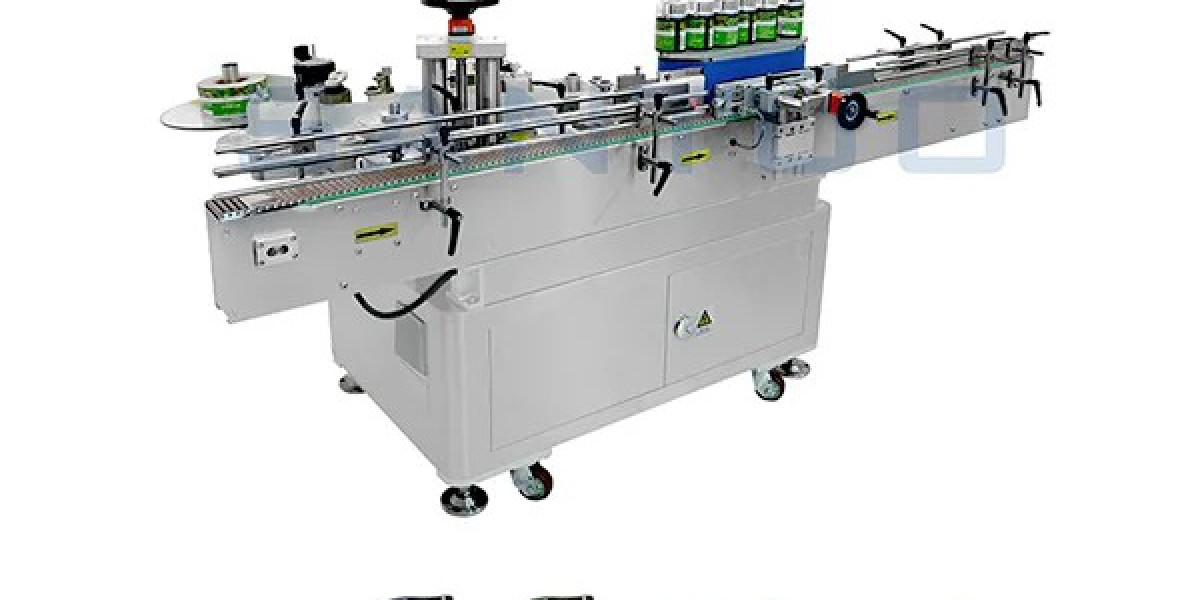
For many pharmaceutical, food and daily chemical manufacturers, cylindrical containers remain the most widely used packaging format. Vials, ampoules, shampoo bottles, detergent containers and oil bottles all share one common challenge: keeping labels consistently positioned, wrinkle-free and compliant at scale.
While manual and semi-automatic labeling may work at low volumes, they quickly become bottlenecks as production grows. Inconsistent placement, frequent changeover delays and hygiene risks can quietly erode both productivity and compliance.
This is where modern wrap around labeling solutions step in as a process improvement tool rather than simply a piece of equipment.
Why Cylindrical Bottles Are Harder to Label Than They Look
Unlike flat cartons, cylindrical bottles require continuous surface contact between the label and the container. Small variations in bottle diameter, surface moisture or transport stability can easily cause:
Skewed label positioning
Wrinkling and bubbling
Misalignment of regulatory text
Inconsistent batch and barcode readability
Over time, these issues create quality deviations that attract regulatory attention and increase rejection rates.
How Wrap-Around Labeling Improves Process Stability
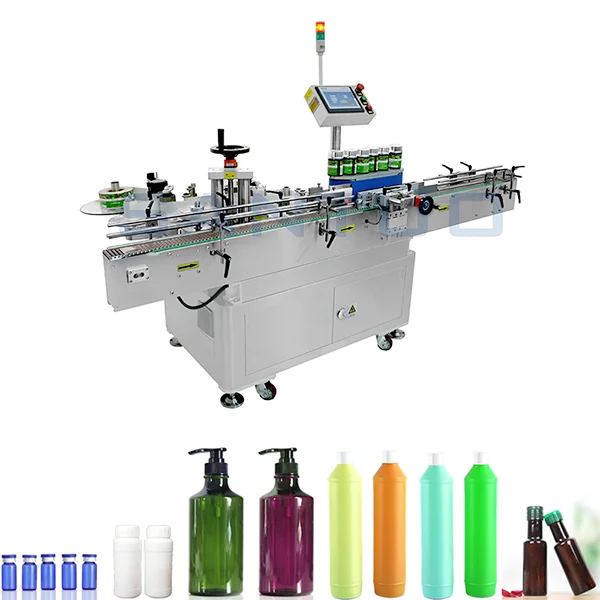
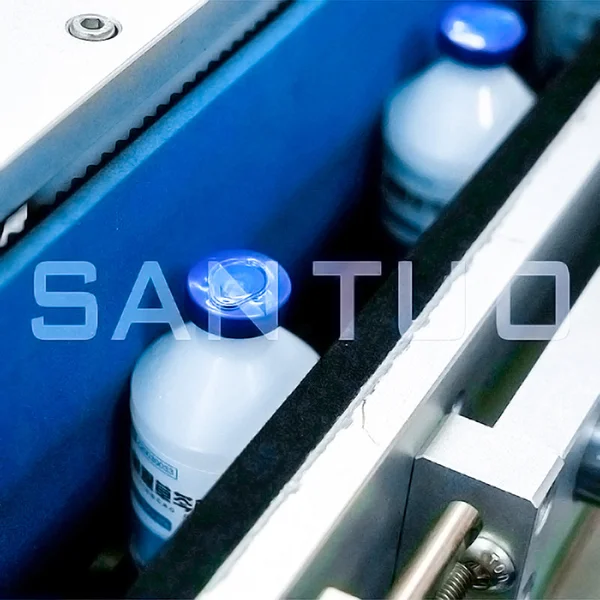
Wrap around labeling systems are designed to apply self-adhesive labels smoothly around cylindrical containers in a single, continuous motion. They provide stable tension control and accurate stopping points, ensuring each bottle receives a uniform and repeatable label placement. Manufacturers using systems such as the wrap around labeling machine are able to integrate consistent labeling directly into their automated production lines.
Key Technical Advantages for Production Managers
1. Fast, Precise Changeovers
Modern systems allow product size changes through fine mechanical adjustments rather than mold replacement. Scale rulers on adjustment areas make setup repeatable, which reduces downtime and human error during changeovers.
2. High-Friction, Wear-Resistant Label Drives
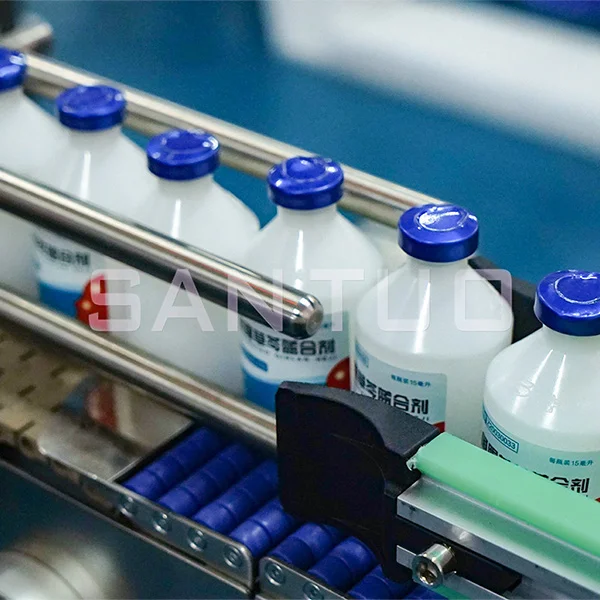
The combination of emery material active rollers and adaptive rubber pressure rollers provides stable friction control. This ensures:
Precise label stopping
Smooth wrap motion
Long-term durability with minimal wear
3. Hygienic, GMP-Compliant Design
Stainless steel cabinets with large rounded surfaces allow easier cleaning and sanitation. Combined with rust-free stainless steel and aluminium alloy frames, these systems meet GMP requirements for pharmaceutical and food production.
Multi-Format Flexibility
Beyond cylindrical bottles, these labeling systems can also be configured to label four sides of square containers with simple accessory changes. This flexibility allows production lines to support a wider product portfolio without adding new labeling stations.
Typical Applications
Wrap-around labeling technology is widely used for:
Pharmaceutical vials and glass ampoules
Shampoo and cosmetic bottles
Dishwashing liquid containers
Oil bottles and other cylindrical packaging
For contract manufacturers, this adaptability is especially valuable when handling multiple client product formats.
Why Business Owners Are Investing in Automated Labeling
From an operational perspective, automated labeling delivers:
Higher throughput without proportional labour increases
Consistent visual brand presentation
Improved regulatory compliance
Lower long-term operating costs
More importantly, it transforms labeling from a labour-intensive task into a stable, measurable process.
Conclusion
In high-volume production environments, labeling consistency is no longer a cosmetic detail—it is a compliance and efficiency requirement. Modern wrap around labeling solutions offer manufacturers a scalable way to control quality, streamline changeovers and maintain hygienic production standards across multiple container formats.
For enterprises seeking stable growth and regulatory confidence, investing in robust automated labeling technology is increasingly becoming a strategic production decision rather than a simple equipment upgrade.