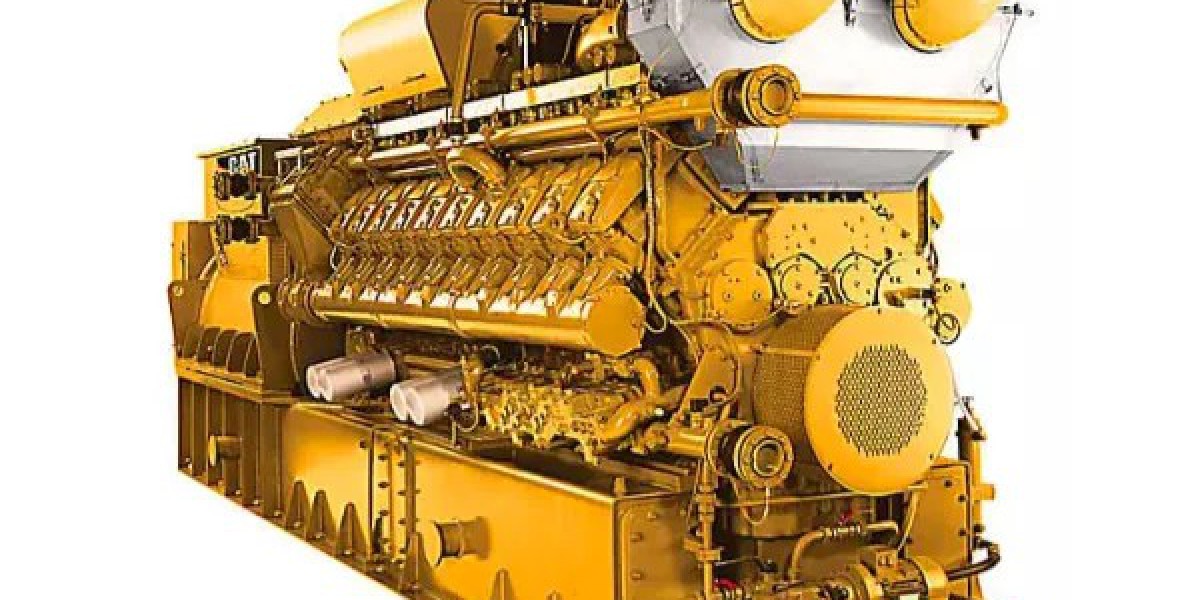
With energy costs rising and sustainability becoming a priority, getting the most out of your gas generator is more important than ever. Whether you’re running a business, managing an industrial site, or just aiming to reduce fuel consumption, improving efficiency can deliver both economic and environmental benefits.
Here are five practical ways to optimize your gas generator’s performance.
1. Stay on Top of Maintenance
Routine Inspections Matter
Regular servicing is the foundation of efficient operation. Scheduling routine inspections allows technicians to catch issues early—before they turn into costly breakdowns or downtime.
Don’t Skip Oil and Filter Changes
Old oil and clogged filters reduce engine efficiency and increase wear. Stick to the manufacturer’s recommended service intervals and use quality components designed for your specific generator.
Keep the Cooling System Clean
Overheating is a silent efficiency killer. Make sure radiators, air intakes, and cooling fins are free from dust and debris so heat can dissipate properly.
2. Manage Your Load More Effectively
Avoid Overloading
Running a generator constantly at maximum capacity strains the system and reduces efficiency. Aim to operate within the optimal load range for better fuel economy and longer equipment life.
Use Peak Shaving Strategies
During high-demand periods, reduce non-essential loads or supplement with alternative power sources. This keeps your generator running efficiently instead of being pushed beyond its limits.
Invest in Smart Controls
Modern control systems can automatically adjust output based on real-time demand. This minimizes wasted energy and reduces unnecessary idle time.
3. Consider Upgrading Your Equipment
Look Into New Technologies
Generator technology has improved significantly in recent years. Newer models offer better fuel efficiency, smarter controls, and lower emissions.
Explore Hybrid Solutions
Hybrid systems that combine gas generators with renewable energy sources—like solar—can dramatically improve overall efficiency and reduce fuel dependency.
Think Long-Term
Upgrading may require upfront investment, but the savings in fuel, maintenance, and downtime often justify the cost over time.
4. Improve Fuel Efficiency
Use High-Quality Fuel
Fuel quality directly impacts combustion efficiency. Poor-quality fuel can lead to deposits, reduced performance, and increased maintenance.
Implement Fuel Monitoring Systems
Fuel management systems help track usage, detect leaks, and maintain consistent supply. This not only improves efficiency but also reduces waste and operational risks.
Consider Alternative Fuel Options
Depending on your generator type, options like biodiesel blends may offer both environmental and performance benefits. Always confirm compatibility with your equipment first.
5. Don’t Overlook Installation and Environment
Choose the Right Location
Proper placement plays a bigger role than many realize. Generators should be installed in well-ventilated areas to prevent overheating and maintain stable performance.
Protect Against the Elements
Rain, dust, and extreme temperatures can all impact efficiency. Using protective enclosures or covers helps maintain consistent operation.
Plan for Future Demand
If your energy needs are growing, make sure your generator capacity is aligned. An undersized unit will struggle, while an oversized one may run inefficiently at low loads.
Final Thoughts
Improving gas generator efficiency isn’t about a single upgrade—it’s about a combination of smart practices. From regular maintenance and proper load management to better fuel use and thoughtful installation, each step contributes to better performance.
By taking a proactive approach, you can:
- Reduce fuel consumption
- Lower maintenance costs
- Extend equipment lifespan
- Minimize environmental impact
In a world where energy efficiency matters more than ever, these small improvements can add up to significant long-term gains.
https://www.sz-swtpower.com/five-tips-for-improving-gas-generator-efficiency.html