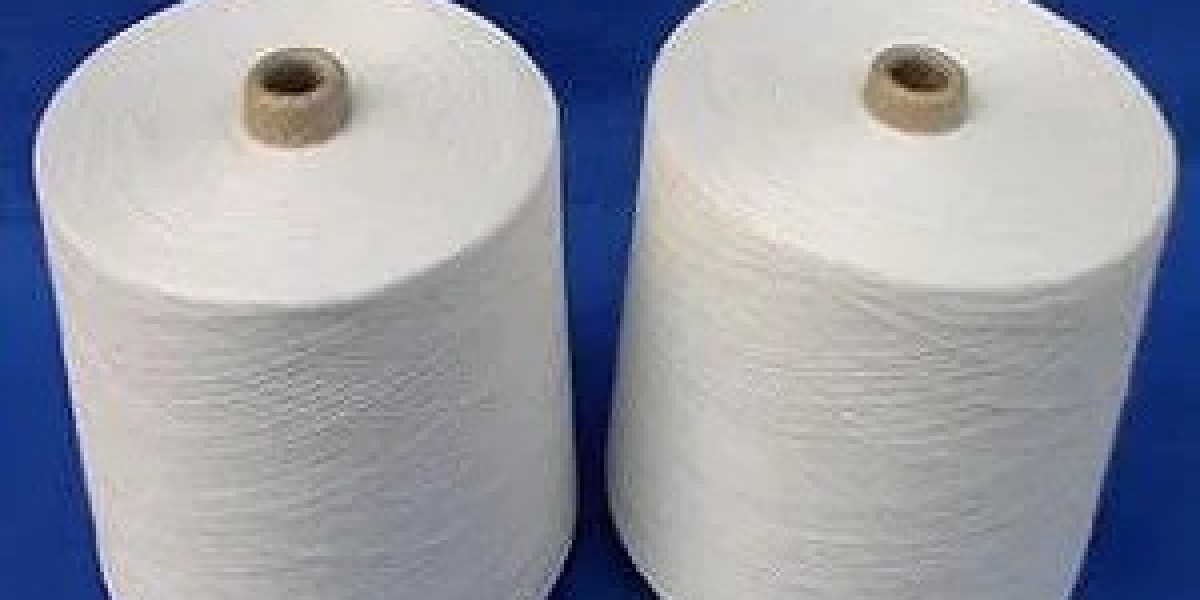
As industries worldwide move toward carbon neutrality and circular manufacturing, material innovation is no longer optional—it’s strategic. One standout solution gaining traction is pineapple fiber yarn, a natural textile derived from pineapple leaves that were once treated as agricultural waste. Today, companies like ASIN are transforming this overlooked resource into a scalable, high-performance material for modern manufacturing.
What Is Pineapple Fiber Yarn?
Pineapple fiber yarn—often referred to as pineapple leaf fiber (PALF)—is produced by extracting long cellulose fibers from pineapple leaves. Through a series of processes including mechanical decortication, degumming, and precision spinning, these fibers are converted into durable, versatile yarn suitable for a wide range of applications.
Unlike synthetic fibers, PALF is entirely plant-based, offering both environmental and technical advantages that make it increasingly attractive in global markets.
Key Properties That Set Pineapple Fiber Yarn Apart
1. 100% Natural and Biodegradable
One of the biggest advantages of pineapple fiber yarn is its fully biodegradable composition. It breaks down naturally without releasing harmful microplastics.
Why it matters:
- Supports ESG and sustainability goals
- Reduces long-term environmental impact
- Meets global demand for eco-friendly materials
2. Lightweight Yet Strong
Thanks to its hollow microstructure, pineapple fiber yarn is significantly lighter than cotton while maintaining impressive tensile strength.
Ideal for:
- Summer clothing
- Sportswear
- Travel-friendly textiles
3. Excellent Moisture Management
The fiber’s natural capillary structure allows it to absorb moisture efficiently and release it quickly.
Benefits include:
- Better moisture-wicking performance
- Reduced skin irritation
- Enhanced comfort in humid conditions
4. High Breathability and Thermal Comfort
The porous structure of pineapple fibers promotes airflow, making fabrics breathable and temperature-regulating.
Common uses:
- Activewear
- Outdoor gear
- Medical textiles
5. Natural Antibacterial Properties
Pineapple fibers contain compounds that help inhibit bacterial growth, reducing odor and improving hygiene.
Advantages:
- Ideal for innerwear and sports garments
- Less need for chemical treatments
- Longer product lifespan
ASIN’s Role in Advancing Pineapple Fiber Yarn
As a specialized manufacturer, ASIN focuses on making pineapple fiber yarn not just sustainable—but also consistent and scalable for industrial use.
What sets ASIN apart:
- Advanced fiber extraction and spinning technologies
- Custom yarn blends (e.g., PALF with cotton or viscose)
- Reliable large-scale production capacity
- Strict quality control aligned with global standards
This combination ensures that pineapple fiber yarn meets both environmental expectations and industrial performance requirements.
Where Pineapple Fiber Yarn Is Being Used
Fashion and Apparel
- Sustainable fashion collections
- Lightweight, breathable garments
- Eco-conscious luxury textiles
Home Textiles
- Curtains and upholstery
- Moisture-regulating bedding
- Decorative fabrics
Industrial Applications
- Reinforced composite materials
- Automotive interior textiles
- Geotextiles
Why It’s Gaining Global Attention
Environmental Benefits
- Converts agricultural waste into valuable material
- Reduces dependence on petroleum-based fibers
- Lowers overall carbon footprint
Economic Advantages
- Creates additional income streams for farmers
- Supports rural economies
- Enables cost-effective sustainable sourcing
Market Trends
With increasing regulatory pressure and consumer demand for greener products, materials like pineapple fiber yarn are moving from niche to mainstream.
Final Thoughts
Pineapple fiber yarn is more than just a sustainable alternative—it represents a new direction in textile engineering. By combining biodegradability, performance, and scalability, it addresses the core challenges facing modern manufacturing.
With innovators like ASIN pushing the boundaries, pineapple leaf fiber is no longer just a concept—it’s a practical, forward-looking solution shaping the future of textiles.
http://www.asinyarn.com/the-advantages-of-pineapple-fiber-yarn.html