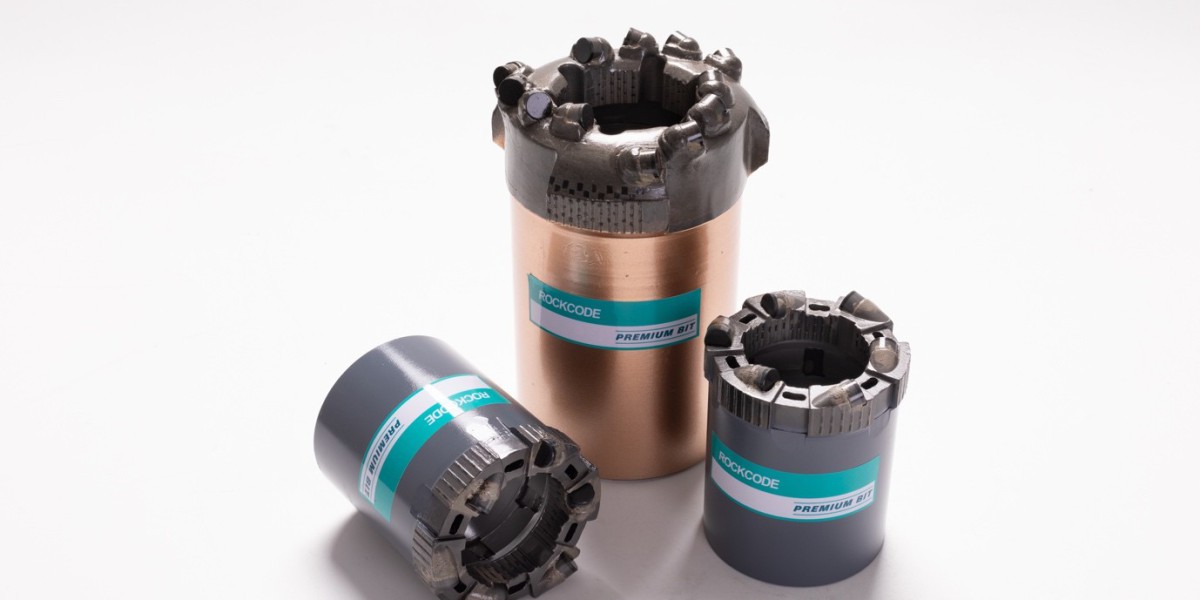
In the high-stakes world of oil and geothermal exploration, the efficiency of a drill bit can mean the difference between a successful project and a multi-million-dollar failure. Traditionally, the industry has relied on two main types of tools: roller cone bits, which crush rock through impact, and drag bits, which shear through the earth. Among these, Polycrystalline Diamond Compact (PDC) cutters have become the industry standard because they can drill up to twice as fast and last significantly longer than traditional tools, even in the most challenging rock formations.[1]
The Challenge of Defining Quality
Despite their popularity, measuring the true quality of a PDC cutter is a complex engineering challenge. Manufacturers are constantly innovating with new materials and sintering processes to handle higher temperatures and more abrasive environments. Historically, researchers evaluated these tools by looking at two separate metrics: the wear rate (how fast the material disappears) and cutting efficiency (how effectively it removes rock).
The problem is that these two factors often conflict; a cutter might be incredibly durable but perform poorly at removing rock, or it might be a fast cutter that wears out almost immediately. To solve this, a new study proposes a unified "Quality Factor" (Q). This dimensionless score provides a clear way to classify cutters by balancing their ability to withstand wear with their "cutting capacity" over a long distance.
Testing Under Pressure
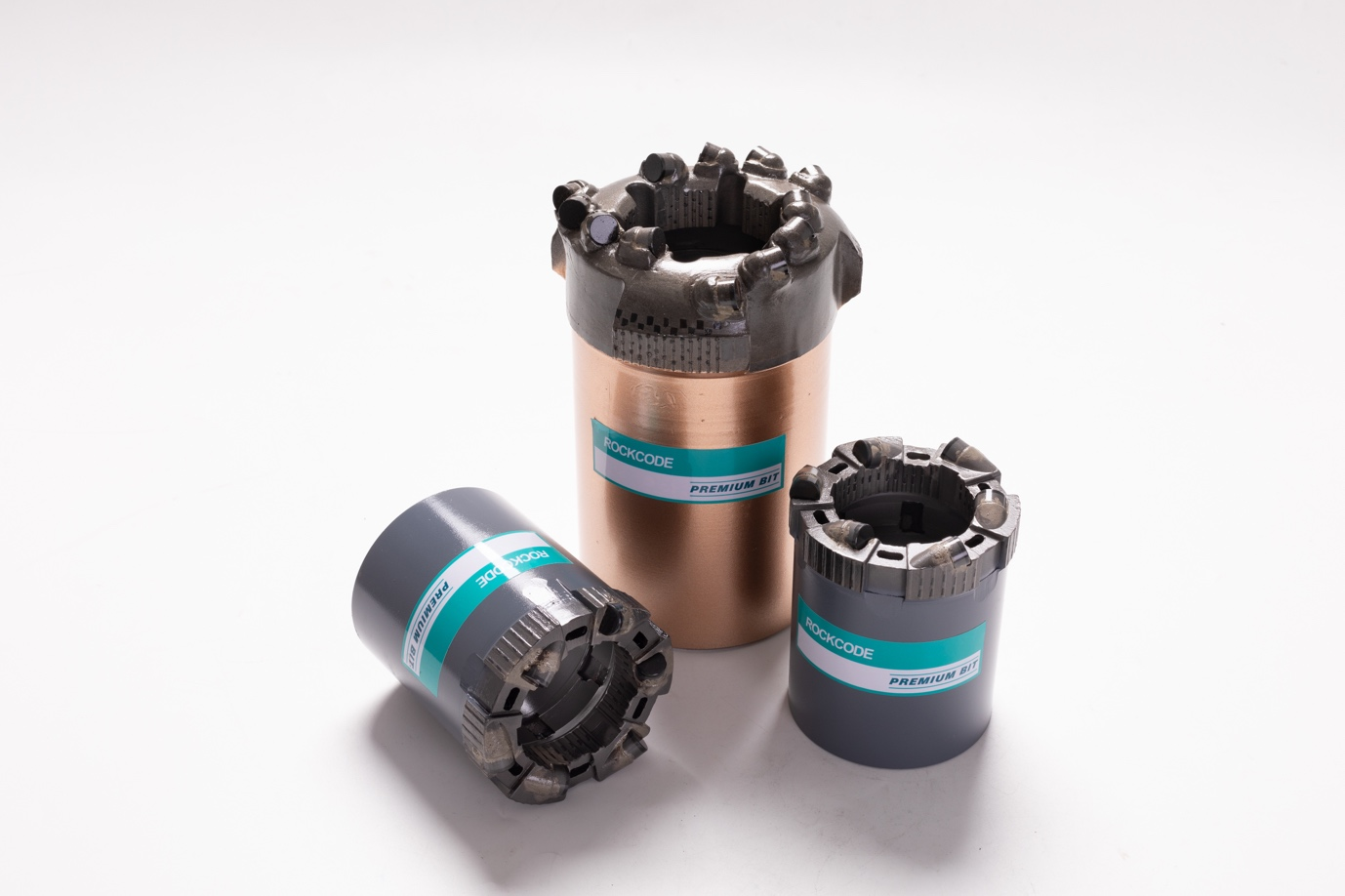
To develop this quality standard, researchers tested six different PDC cutters, labeled A through F, from various manufacturers. These cutters were made of a thin diamond table bonded to a tungsten carbide base through a high-pressure, high-temperature (HPHT) process.
The scientists used a specialized vertical lathe device to simulate real-world drilling conditions. Each cutter was pressed against a massive, 2,210 kg/m³ mortar rock with forces ranging from 3,000 to 5,000 Newtons, moving at speeds of 1.8 meters per second without any lubrication. Over a total distance of nearly 12.6 kilometers, the researchers measured how much rock was removed and how much the diamond cutters were damaged.
The results were striking: Cutter A emerged as the clear winner, boasting the highest quality factor due to its exceptional wear resistance and high efficiency. At the opposite end of the spectrum, Cutter B performed the worst, registering a quality score more than forty times lower than Cutter A.
The Four Pillars of PDC Quality
Through detailed microscopic analysis and computer simulations, the researchers identified four key scientific factors that determined whether a cutter succeeded or failed:
Diamond Grain Size The most influential factor in a cutter's lifespan is the size of the diamond grains used in the table. The study confirmed that finer diamond grains are significantly more resistant to abrasion than coarser grains. While larger grains are sometimes better at handling heavy impacts, the fine-grained structures proved essential for long-term durability against hard rock.
Cobalt Management and "Leaching" During the manufacturing process, cobalt is used to help diamond grains bond together. However, the study found that cobalt is more than just a catalyst; it actually reacts to form cobalt carbide, which remains in the diamond structure after manufacturing. If the cobalt content is too high, the cutter wears down faster. Some manufacturers use a "leaching" process to remove cobalt from the surface, but the study revealed that for very deep drilling jobs, this surface treatment has a limited impact once the deeper, cobalt-rich layers are exposed.
Material Purity The researchers discovered that low-quality cutters often contained accidental "pollution" in the form of tungsten carbide particles within the diamond layer. These foreign particles weaken the bond between the diamond grains, leading to premature failure and a lower quality score.
Managing Internal Stresses Because diamond and tungsten carbide expand and contract at different rates when they are heated and cooled, internal "residual stresses" are created within the tool. These stresses can encourage "cap-like" cracks to form and spread. High-quality cutters, like Sample A, use complex interface designs between the diamond and the carbide base to redirect these stresses and keep the material in a "compressive" state, which helps prevent the diamond from shattering.
Why This Research Matters
By establishing the Quality Factor, this study gives the drilling industry a scientifically rigorous way to evaluate new tools. It moves beyond simple trial and error, providing a roadmap for manufacturers to create more reliable equipment. Understanding the balance between grain size, purity, and internal stress ensures that as we drill deeper for the energy of the future, we have the tools necessary to withstand the most extreme environments on the planet.
→ For more information about ROCKCODE’s Products, please visit: https://www.rockcodebit.com/geotechnical-core-bits
→ Email us at: info@rockcodebit.com
→ Information in this article is for general reference only. For specific drilling projects and drilling bits, please consult qualified professionals. Thank you
Sources
Yahiaoui, M., Gerbaud, L., Paris, J.-Y., Denape, J., & Dourfaye, A. (2013). A study on PDC drill bits quality. Wear, 298–299, 32–41.