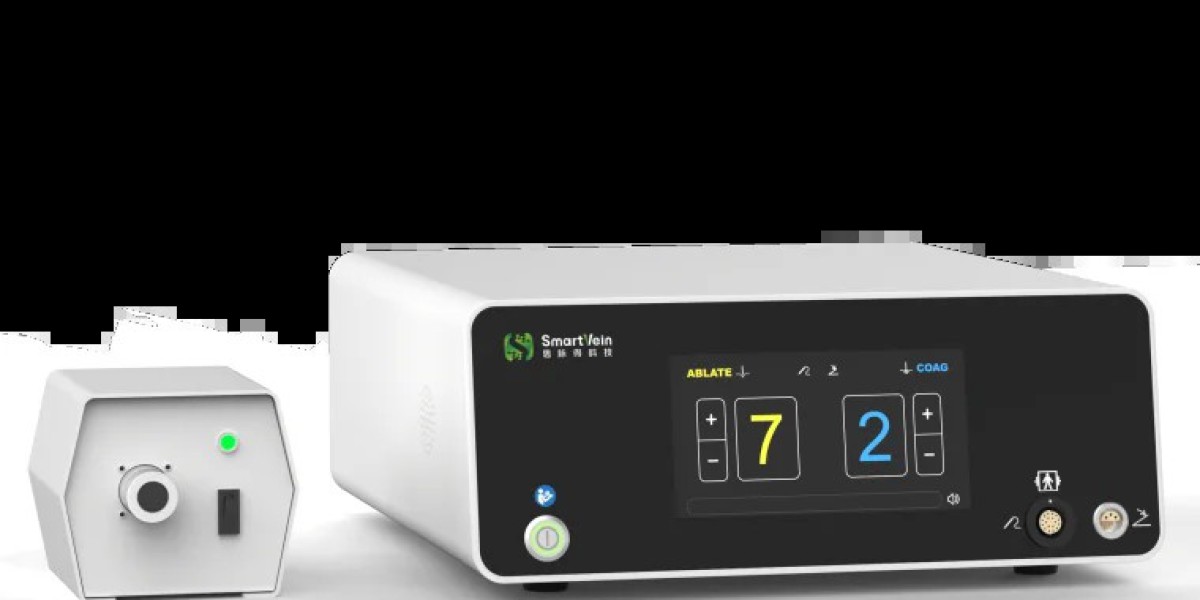
In modern minimally invasive surgery, the plasma surgery system has become an important tool in ENT, orthopedic, and soft tissue procedures. Its ability to precisely cut, ablate, coagulate, and control bleeding makes it highly valuable in clinical applications.
However, when selecting a suitable device, two technical factors are critical and directly determine surgical performance and patient safety:
power stability and output mode configuration.
This article provides a structured purchasing guide to help medical institutions and distributors evaluate plasma surgical systems more effectively.
1. Power Stability: The Core of Surgical Safety
Power stability is one of the most important performance indicators in a plasma surgery system, as it directly influences surgical precision, thermal control, and tissue safety.
1.1 Adjustable Output Power for Surgical Flexibility
Modern plasma systems typically support multi-level power adjustment, such as:
- 1–10 level output adjustment
- 1–11 level fine-tuning control
This allows surgeons to precisely match energy output according to different tissue types and surgical requirements. Lower settings are used for delicate tissue manipulation, while higher settings are suitable for stronger ablation or coagulation needs.
1.2 Intelligent Closed-Loop Power Control Technology
To ensure stable energy delivery, many advanced systems adopt:
- CPU dual closed-loop control systems
- Intelligent feedback control mechanisms
These technologies continuously monitor and adjust output power in real time, ensuring stable energy delivery even under complex surgical conditions.
The result is:
- Reduced energy fluctuation
- Improved surgical precision
- Enhanced patient safety
1.3 Rated Power and Maximum Output Considerations
Most clinical-grade plasma surgical devices operate within:
- Rated power: 300W–350W
- Maximum power: ≤400W
This controlled range ensures that the system can handle high-load operations while maintaining stable output without overheating or performance degradation.
1.4 Voltage Stability and Protection Systems
Stable operation also depends on power supply reliability. High-quality systems typically include:
- Wide voltage input range (e.g., 220V ±10%)
- Overload protection systems
- Surge protection modules
These features help maintain consistent performance even in environments with unstable power supply conditions.
2. Output Mode: Determining Surgical Versatility
The output mode of a plasma surgical system directly affects how the device interacts with biological tissue. Different modes are designed for specific surgical tasks.
2.1 Multi-Mode Operation Capability
Most modern systems support multiple functional modes, including:
- Cutting mode
- Ablation mode
- Coagulation mode
- Hemostasis mode
- Vaporization-ablation mode
Each mode delivers a different energy profile, allowing surgeons to perform various procedures using a single device.
2.2 Intelligent Mode Switching and Tool Recognition
Advanced systems often include:
- Automatic instrument recognition
- Intelligent mode switching
- Pre-set surgical parameter matching
This significantly improves operational efficiency and reduces manual configuration errors during surgery.
2.3 Real-Time Impedance Feedback Control
Some high-end plasma systems are equipped with tissue impedance monitoring technology.
This feature allows the system to:
- Detect real-time tissue resistance changes
- Automatically adjust output power
- Prevent excessive thermal damage
This feedback loop ensures safer and more controlled surgical outcomes.
3. Relationship Between Power Stability and Output Modes
Power stability and output modes are not independent parameters—they work together to determine surgical performance.
A highly stable power system ensures that:
- Cutting remains precise even under high load
- Coagulation is consistent without energy fluctuation
- Ablation depth remains controlled and predictable
Without stable power, even advanced output modes may produce inconsistent surgical results, increasing risks such as tissue damage or incomplete treatment.
4. Practical Purchasing Recommendations
When selecting a plasma surgery system, hospitals and distributors should evaluate the following key factors:
4.1 Power Stability Features
- Multi-level adjustable output
- Closed-loop control system
- Overload and surge protection
4.2 Output Mode Capabilities
- Multiple surgical modes (cutting, coagulation, ablation)
- Automatic recognition and switching
- Programmable mode presets
4.3 Performance and Technical Indicators
- Rated output power (300W–350W range preferred)
- Maximum output power capacity
- Operating frequency stability
4.4 Clinical Application Matching
- ENT surgery
- Orthopedic procedures
- Soft tissue surgery
- Minimally invasive operations
Selecting equipment should always be based on actual surgical requirements rather than only technical specifications.
5. Conclusion
In plasma surgery systems, power stability and output mode design are the two most critical determinants of performance.
A well-designed system should integrate:
- Stable, closed-loop power control
- Multi-level adjustable energy output
- Multiple surgical working modes
- Real-time feedback mechanisms
By carefully evaluating these factors, medical institutions can significantly improve surgical precision, reduce complications, and enhance overall treatment outcomes.
Ultimately, choosing the right plasma surgery system is not just a technical decision—it is a clinical safety decision.